Prepare your drawings, compare materials and finishes, and understand what needs to be confirmed before production. These resources combine practical inquiry guides, manufacturing advice, answers to purchasing questions and completed project examples to support your discussions with our sales and engineering teams.
Understand anodizing thickness classes, sealing quality and inspection requirements when specifying aluminum profiles for indoor, outdoor or coastal use.
Review wall thickness, section depth, alloy, ribs and fastening features together to design aluminum extrusions that fit the application and production route.
Compare corner cleats, screw bosses, T-slot fasteners and interlocking joints, and identify the extrusion and fabrication details each connection needs.
02 / Drawing preparation
What should you prepare?
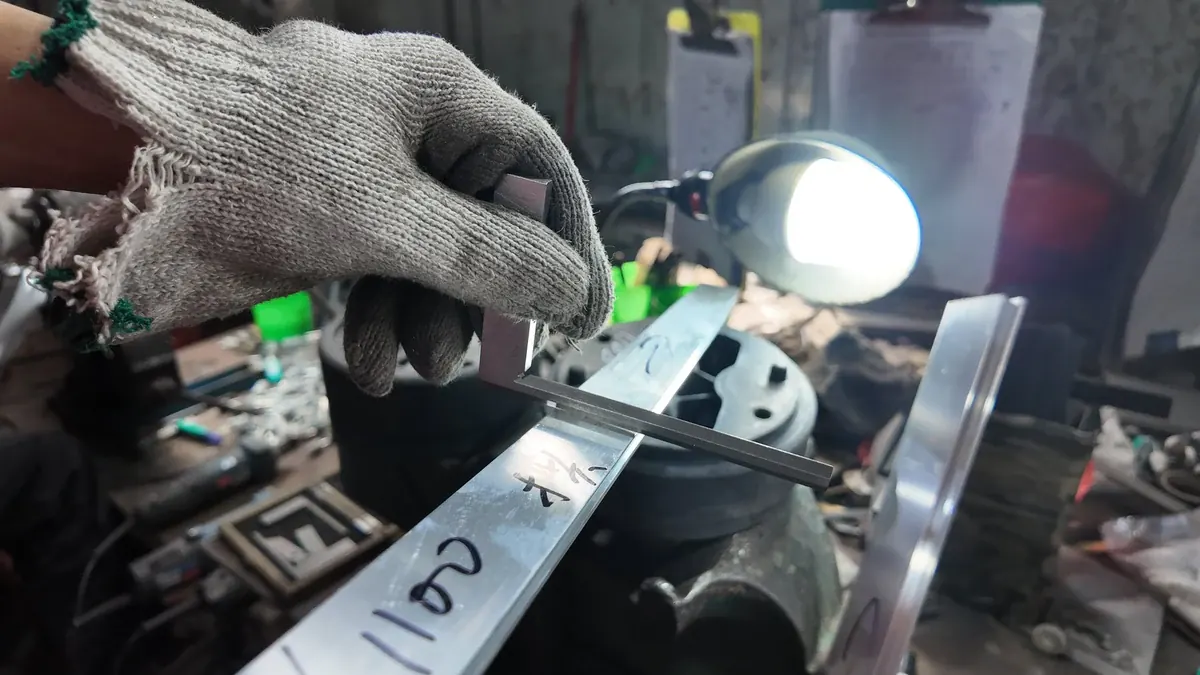
Prepare a cross-section drawing or sample, intended application, alloy and temper if specified, finished length, quantity and required finish. Identify critical fits, mating components, visible faces and machining details. State whether dimensions apply before or after finishing, and include your delivery and packaging requirements.
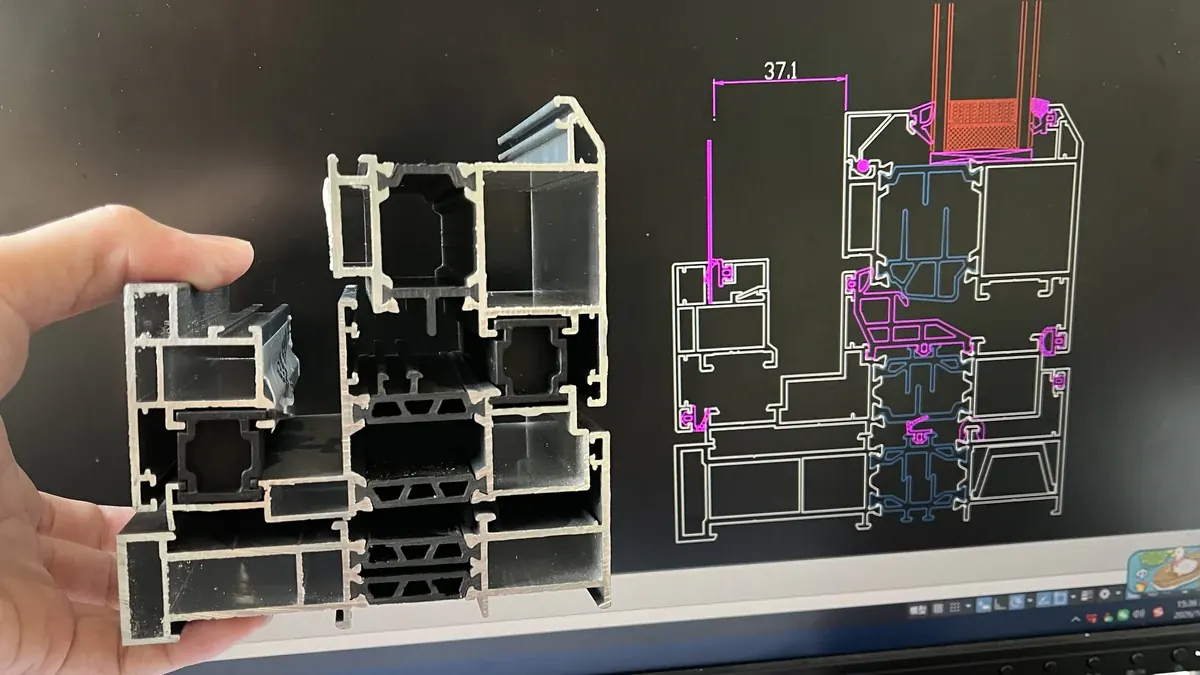
Yes. We review customer drawings for architectural and industrial aluminum profiles, including the section geometry, wall thicknesses, alloy, temper, finish and critical assembly tolerances. Send DWG, DXF or PDF drawings, or STEP, STP or IGS models. Our engineering team confirms feasibility before tooling. The numbered die drawing requires your written approval, and trial samples are checked and submitted for acceptance before bulk production.
How is the minimum order quantity confirmed?+
Minimum order quantity is assessed by the total weight of each profile section and color, in kilograms or metric tons. Existing dies and mill-finish profiles generally allow lower minimums. New custom dies, special powder colors, wood-grain finishes and partner-provided anodizing require a review of die size, profile weight per meter and production setup losses. We confirm the minimum for your specification; no single quantity applies to every project.
How are die costs calculated?+
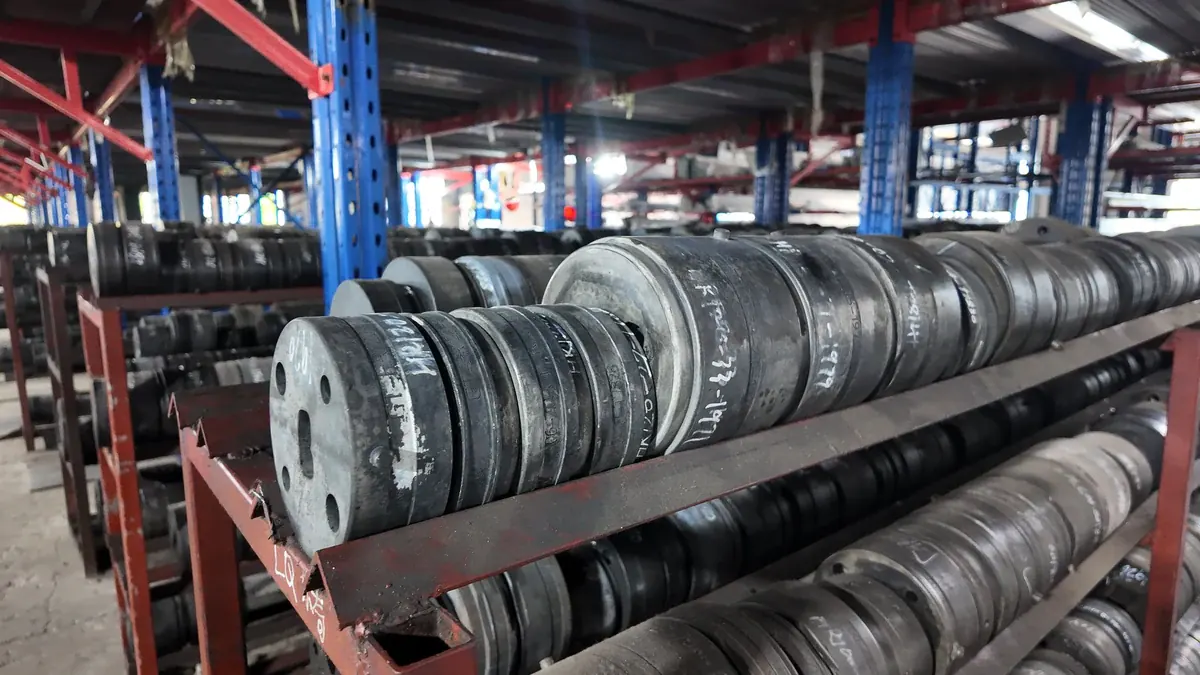
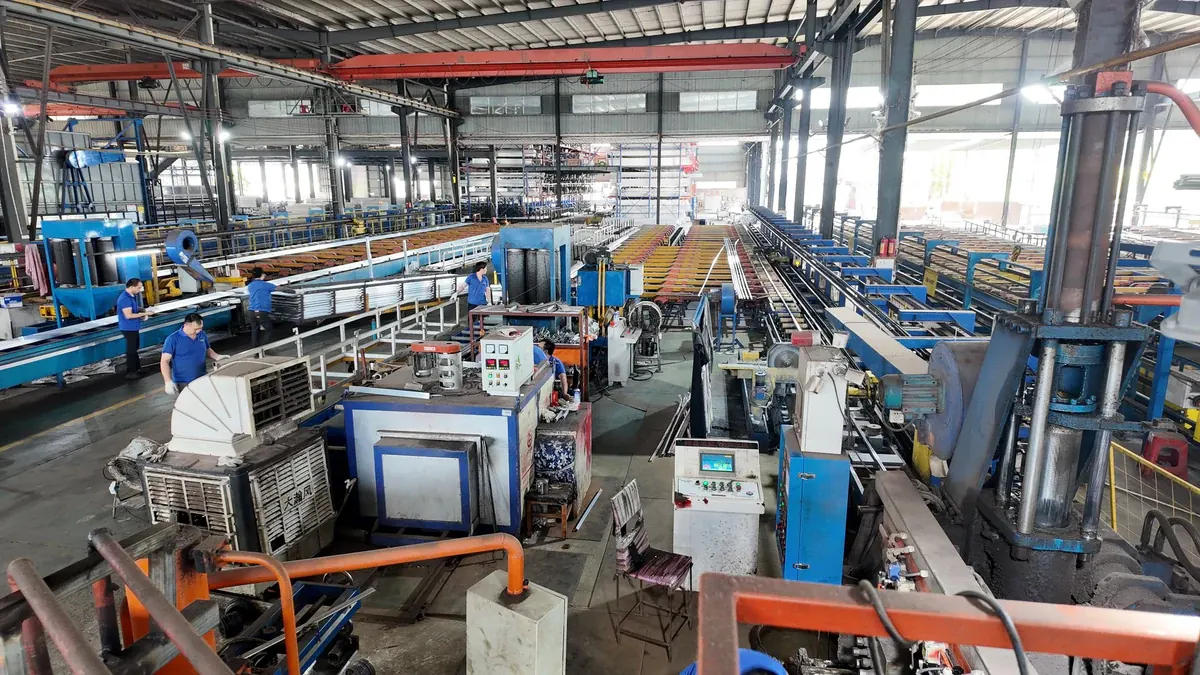
For suitable standard architectural and industrial sections on Guantian's 800–1,500-ton presses, indicative die fees are approximately USD 180–650, or around RMB 1,200–4,500. Section size, solid or hollow construction, cavities and tooling requirements determine the actual price. The quotation confirms the currency and fee; these ranges are not a fixed exchange-rate conversion. Eligible tooling fees can be refunded or credited after the agreed cumulative order quantity is reached. Typical new-project discussions may start around 5–10 or more metric tons, while some existing arrangements use thresholds up to 20 tons. The written terms for each die govern. Customer-specific tooling is identified and stored with confidentiality controls, and ownership, maintenance and refund arrangements are agreed in the order. Payment follows drawing approval and precedes die manufacture. If a trial does not meet the approved drawing, the necessary die correction or remake is provided without a correction charge; later customer design changes may add cost.
How are sample and production lead times confirmed?+
For standard dies, die manufacture and the initial extrusion trial usually take 7–15 days after drawing approval and receipt of the die fee. Section complexity, die size, press scheduling and further adjustments can affect this timing. We share trial results and any revised trial date. Bulk production is scheduled after sample approval and receipt of the deposit. Its lead time is confirmed based on the order quantity and final production plan.
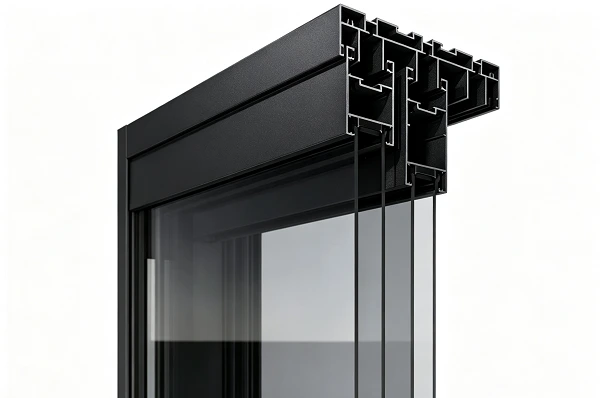
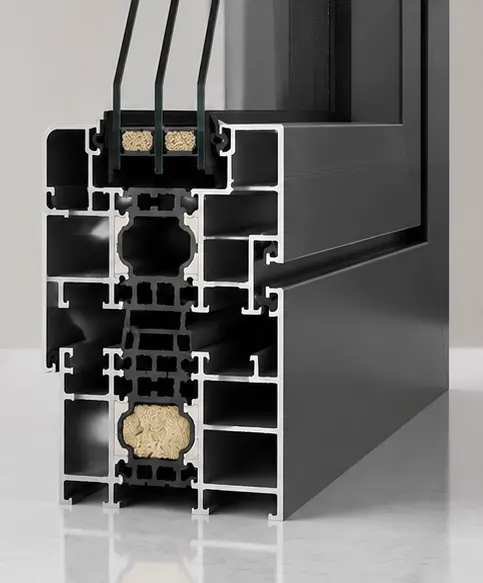
Coating allowances, thermal-break assembly and hardware fit checks for an overseas apartment window project. Delivery comprised finished profile lengths with matching hardware and gaskets.
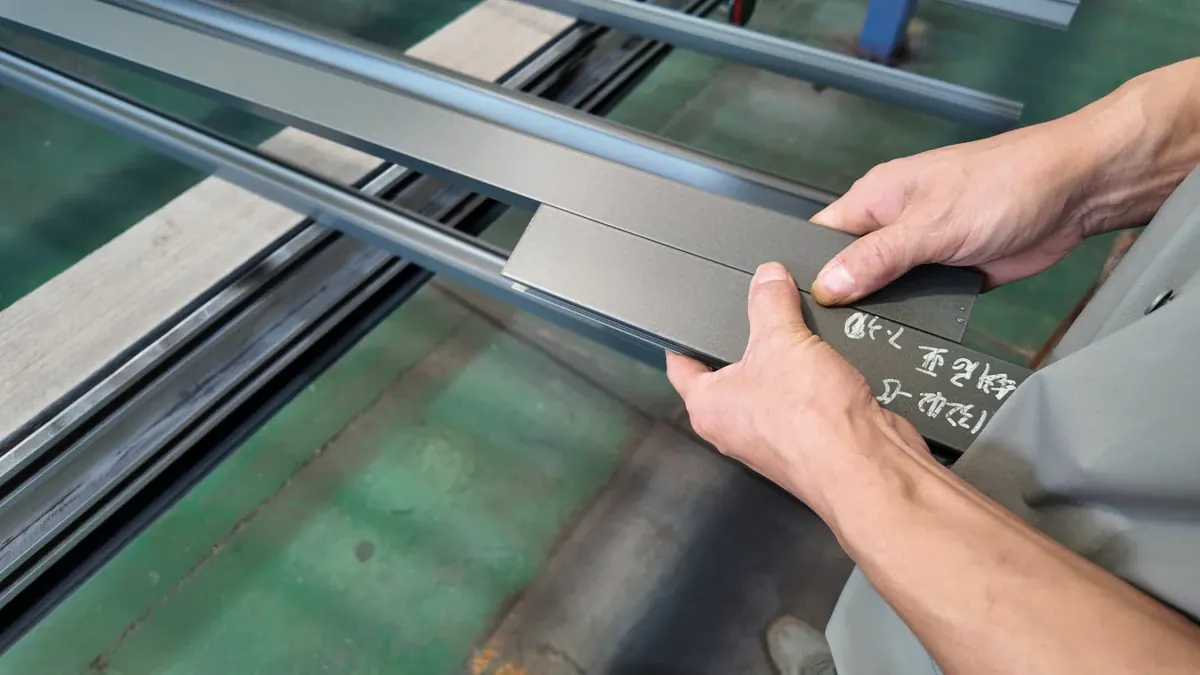
6061-T6 profiles with coordinated machining and anodizing, checked with mating components and supplied as individually labeled parts for customer assembly.